First Seen
2024-11-13T17:51:06.126521+00:00
detailed-analysis (gemma3_27b-it-q8_0)
Okay, let's break down this image of a KOA Kampground through the lens of Permaculture – specifically focusing on the category of "Shelter," and drawing in relevant theoretical frameworks where applicable.
Visual Description
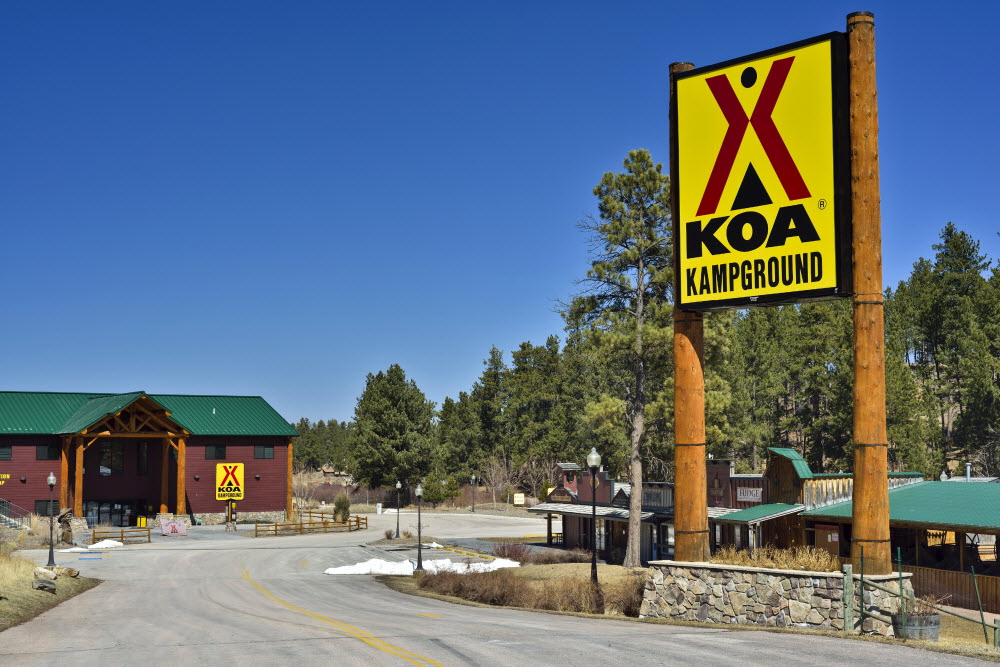
The image depicts the entrance to a KOA (Kampgrounds of America) facility. Dominating the scene is a large, branded sign featuring the KOA logo – a stylized "X" above the word "Kampground." The sign is built on massive wooden pillars, suggesting permanence and a certain constructed solidity. Behind it are various buildings with a rustic aesthetic (log cabin style, gabled roofs), but exhibiting a degree of commercial uniformity. The area looks well-maintained and paved, indicating investment and control. The surrounding landscape is a mixed woodland, but the area immediately surrounding the buildings is clearly designed and manicured. The general impression is one of managed nature and commercialized retreat. It's shelter, but not wild, natural shelter.
Permaculture & Shelter: A Core Tension
From a permaculture perspective, "shelter" isn't simply about protection from the elements. It’s about integrating habitation with the landscape, creating systems that are mutually beneficial, and minimizing environmental impact. This KOA immediately introduces a tension. While providing shelter, it does so in a way that seems highly removed from those principles. It's a built shelter environment, heavily reliant on industrial materials and energy inputs, and fundamentally altering the natural landscape to accommodate a pre-defined model of recreational space.
Foucauldian Genealogical Discourse Analysis
Michel Foucault's work on power/knowledge is relevant here. We can analyze the discourse around "camping" and "the outdoors" that this KOA represents. Historically, camping was associated with self-reliance, exploration, and a direct relationship with nature. The KOA re-frames this discourse.
- Disciplining the Outdoors: The KOA is not simply a place in nature; it’s a place to experience a controlled version of nature. The paved roads, designated campsites, bathrooms, and amenities discipline the natural environment, making it predictable and manageable for consumers.
- Normalization of Comfort: The KOA normalizes a certain level of comfort within the outdoor experience. It diminishes the need for traditional wilderness skills, self-sufficiency, and the acceptance of discomfort inherent in genuinely engaging with natural systems.
- The Creation of the "Camper" Subject: The KOA, through its branding and facilities, creates a specific type of "camper"—one who desires convenience, security, and a curated experience, rather than a rugged individualist.
Critical Theory
Applying Critical Theory (particularly the Frankfurt School), we can see this as a manifestation of the "culture industry." The KOA isn't just providing shelter; it’s selling an idea of nature, an aestheticized and commodified version of the wilderness. This operates as a form of ideological control.
- Reification: Nature is reified—treated as a commodity to be consumed—rather than a complex, interconnected system.
- False Consciousness: The KOA promotes a 'false consciousness' by presenting an experience that appears authentic and liberating, while simultaneously reinforcing capitalist values (consumption, leisure as a product). The consumer feels they are “connecting with nature” but are really connecting with a manufactured, branded experience.
- Domination of Nature: The very design of the KOA represents the continued domination of nature by human control and profit motives.
Marxist Conflict Theory
From a Marxist perspective, this is a clear example of the commodification of nature and the creation of a leisure industry predicated on class relations.
- Ownership & Control: The land is privately owned and controlled by KOA, a for-profit corporation. Access to this curated “natural” experience is mediated by the ability to pay.
- Labor Exploitation: The maintenance and operation of the KOA rely on a labor force, potentially exploited, to provide the convenience and amenities demanded by consumers.
- Alienation: Though people might believe they are connecting with nature, the commodified experience alienates them from the true, raw power and interdependency of natural systems. They're alienated from the act of self-reliance and integration with the environment that a more traditional approach to shelter and wilderness would involve.
Postmodernism
A postmodern reading would focus on the simulation and hyperreality of the KOA experience.
- The Simulacrum: The KOA doesn't present "real" nature; it presents a simulation of nature, a copy without an original. The rustic aesthetic is a pastiche, a self-conscious imitation of a wilderness ideal.
- Deconstruction of "Nature": The KOA implicitly deconstructs the very idea of “nature” as something pristine and untouched. It shows that even the attempt to experience nature is fundamentally mediated by human construction and cultural frameworks.
- Loss of Authenticity: Postmodernism suggests that “authenticity” is a constructed concept. The KOA doesn’t pretend to be wild; it openly performs a curated version of the outdoors.
In conclusion: From a Permaculture and shelter perspective, the KOA represents a departure from the ideal of integrated, sustainable habitation. It embodies many of the critical issues highlighted by contemporary theory – the commodification of nature, the disciplining of the environment, and the construction of consumer subjectivities. While offering shelter, it does so in a way that reinforces unsustainable practices and a fragmented relationship with the natural world.
simple-description (llama3.2-vision_11b)
The meme is an image of a KOA Kampgrounds of America sign with a modified version of the logo, replacing the "K" with a "P" to spell "POA". The text "Permaculture - Shelter" appears below the modified logo. This meme is likely a play on the idea of permaculture, a type of sustainable living, being applied to a traditional campground setting, with the "P" in POA standing for "Permaculture" and "Shelter" being a type of structure or building.