First Seen
2025-07-10T16:51:31+00:00
detailed-analysis (gemma3_27b-it-q8_0)
Okay, let's break down this meme from the perspective of an "Anti-Trump" category, using the frameworks you've requested where applicable.
Visual Description
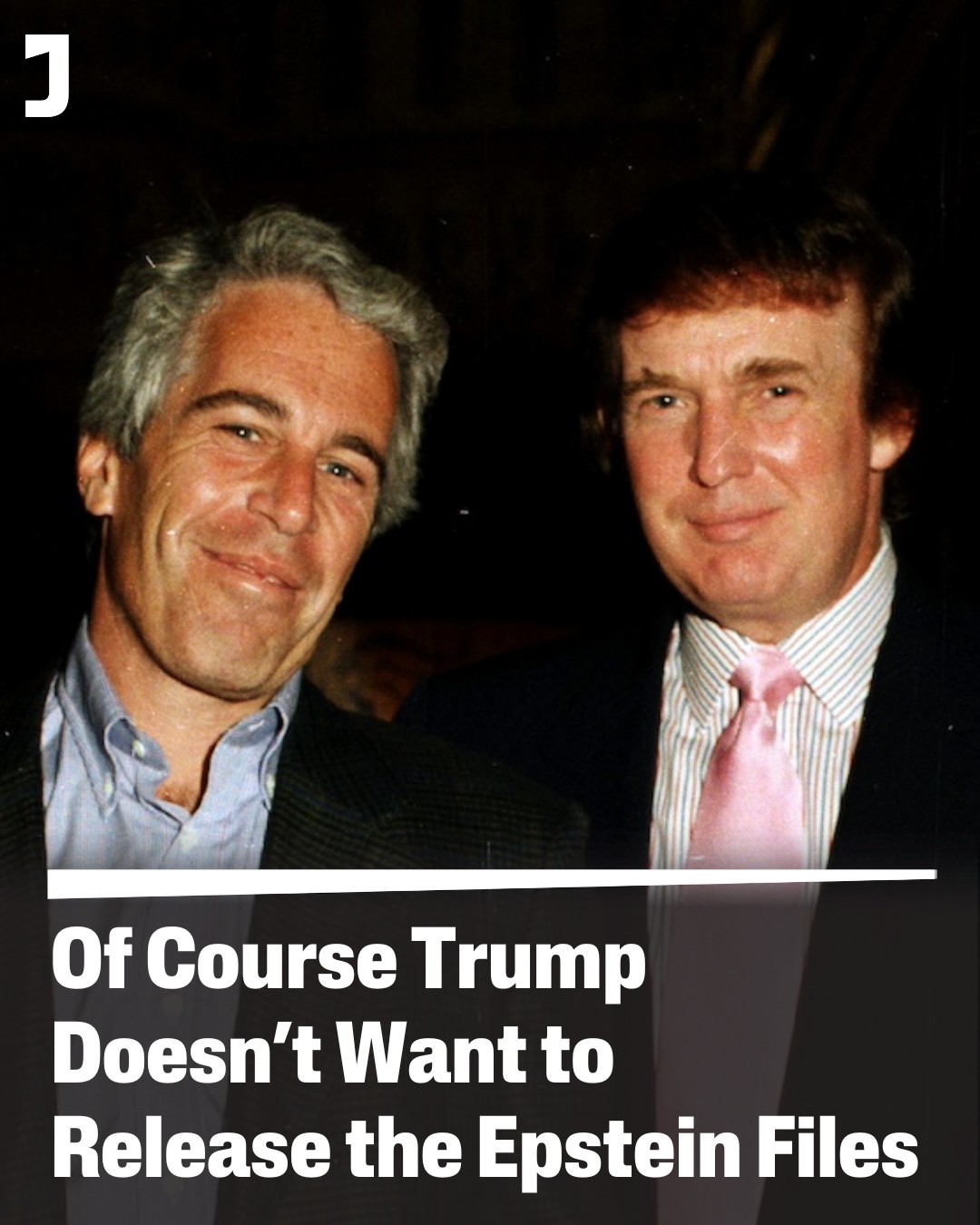
The meme features a photograph of Donald Trump and Jeffrey Epstein, standing close together and smiling. Both men are dressed in formal attire (suits, ties). The image is a tight shot, focusing on their faces. The picture has a slightly aged and somewhat grainy quality, lending it the air of a discovered or leaked photograph. Below the image, there is text that reads: “Of Course Trump Doesn’t Want to Release the Epstein Files.”
The overall effect is to visually associate Trump with Epstein, immediately invoking the controversies surrounding Epstein's sex trafficking crimes and alleged connections to powerful individuals.
Foucauldian Genealogical Discourse Analysis
Michel Foucault's genealogical approach analyzes how power operates through discourse and constructs categories of truth and knowledge. This meme operates precisely within that framework.
- Discourse of Power & Sexual Abuse: The image doesn’t directly prove wrongdoing, but it participates in a larger discourse surrounding accusations of abuse, exploitation, and power imbalances. By juxtaposing Trump and Epstein, the meme insinuates Trump’s involvement, leveraging the existing (and often highly sensationalized) discourse of Epstein’s crimes.
- Genealogy of “Respectable” Men: Foucault would be interested in how the image disrupts the conventional genealogy of "respectable" men in power. It challenges the notion that figures like Trump operate within a framework of legitimate authority, instead suggesting a link to a hidden network of exploitation.
- Power/Knowledge: The meme implicitly argues that the Epstein files contain knowledge that would reveal uncomfortable truths about Trump and the power structures he represents. The refusal to release the files is presented as an attempt to control that knowledge and maintain a specific power dynamic.
Critical Theory
From a critical theory perspective, this meme is a form of counter-discourse aimed at exposing what it perceives as systemic problems within the elite power structures.
- Ideological Critique: The meme functions as a critique of the ideology that allows individuals like Trump to maintain power despite allegations of wrongdoing or association with problematic figures. It questions the “neutrality” of institutions and suggests they are designed to protect the interests of the powerful.
- Illusion of Justice: The text suggests the justice system is not operating impartially. The reluctance to release the files is framed as a deliberate act to shield powerful actors.
- Hegemony: This meme contributes to the resistance against what Critical Theorists term hegemony: the dominance of one social group over others. By implying Trump's complicity, the meme seeks to destabilize his hegemonic position.
Marxist Conflict Theory
Within a Marxist framework, this meme highlights class and power dynamics.
- Ruling Class Complicity: It suggests that the ruling class (represented by Trump) is involved in exploitative practices. Epstein's crimes can be interpreted as a symptom of the inherent contradictions within a capitalist system, where wealth and power can be used to exploit vulnerable populations.
- Power & Exploitation: The meme highlights the exploitation inherent in the power dynamics between the wealthy and the vulnerable. Epstein’s actions (and alleged connections to Trump) are presented as evidence of this exploitation.
- Class Solidarity: Although the meme is focused on individuals, it implicitly suggests a need for solidarity amongst those affected by systemic injustice to challenge the power of the ruling class.
Postmodernism
A postmodern analysis would focus on the image's deconstruction of truth and the blurring of boundaries.
- Deconstruction of Authority: The meme challenges the notion of a singular, objective truth. By raising questions about Trump’s potential involvement, it destabilizes his public image and deconstructs the authority he claims.
- Simulacra & Simulation: The photograph itself becomes a "simulacrum" – a copy without an original. It exists as a representation, and the meaning is derived from the associations and discourses surrounding it, rather than a direct reflection of reality.
- Relativism and Interpretation: Postmodernism acknowledges that meaning is subjective. The meme is open to multiple interpretations. The image does not necessarily prove Trump’s guilt, but relies on the audience’s pre-existing biases and knowledge of the Epstein scandal.
In summary:
From the “Anti-Trump” category perspective, the meme is a powerful piece of political communication that utilizes visual imagery and strategic text to raise questions about Trump’s character and potential involvement in unethical or illegal activities. It leverages existing narratives about Epstein and the abuse of power to create a negative association and reinforce existing anti-Trump sentiment. It is less about providing concrete evidence, and more about contributing to a broader critique of power, privilege, and the structures that allow exploitation to occur.
Disclaimer: This analysis is based on the request to apply specific theoretical frameworks. It is important to note that the claims made in the meme are allegations and subject to ongoing debate and investigation.
simple-description (llama3.2-vision_11b)
The meme is a play on the idea that Donald Trump is known for his tendency to deny or downplay controversies, and this image suggests that he would also deny or downplay the fact that he has been accused of having a secret relationship with Jeffrey Epstein, a convicted sex offender. The meme is likely referencing the fact that Trump has been accused of having a close relationship with Epstein, and that he has been accused of being involved in Epstein's sex trafficking scandal. The text "Of Course Trump Doesn't Want to Talk About Epstein" is a commentary on Trump's tendency to deny or downplay controversies, and the image is a humorous way to poke fun at that tendency.
detailed-analysis (gemma3-27b-vision)
Okay, let's break down the image and its implications through the lens of the requested theoretical frameworks.
Please note: Analyzing such a sensitive image (connected to sexual abuse and potential criminal activity) requires careful consideration. This is an academic exercise to explore theoretical applications, not to condone or minimize the harm caused by the individuals involved.
---
1. Visual Description
The image presents a headshot of two men: Jeffrey Epstein and Donald Trump, juxtaposed closely together. It's a high-contrast, flash photograph, likely taken during a social event.
- Epstein: Positioned on the left, appears slightly disheveled with grey hair. He is smiling, but the smile seems forced and lacks warmth.
- Trump: On the right, displaying his signature carefully coiffed hair and a wide, confident smile. He looks directly at the camera, presenting a more polished and assertive image.
- Composition: The closeness of the subjects suggests a relationship, implying closeness and potential collusion. The image is cropped tightly, focusing on their faces and minimizing background details.
- Text: The image is overlaid with the phrase “Of Course Trump Doesn’t Want to Release the Epstein Files” in white capital letters.
2. Foucauldian Genealogical Discourse Analysis
Michel Foucault’s work on power and knowledge is highly relevant here.
- Discourse: The image creates a discourse around power, secrecy, and potential criminality. The pairing of Epstein and Trump immediately invokes a specific narrative – one dominated by the Epstein scandal and the question of who knew what.
- Power/Knowledge: The ‘Epstein Files’ represent a repository of knowledge, but the withholding of these files is a demonstration of power. Those who control access to this knowledge can manipulate the narrative and protect themselves. The image itself is a tool used to contest that control, revealing that power dynamics at play.
- Genealogy: Tracing the 'genealogy' of this situation means looking at the historical development of social practices relating to wealth, power, and the abuse of privilege. The relationship between Epstein and Trump is not an isolated incident, but part of a longer history of unchecked power and systemic abuse.
- Surveillance: The power dynamic is highlighted through the idea of surveillance, both in terms of the literal surveillance surrounding the events, and the societal and media surveillance of the figures involved.
3. Critical Theory
The image can be analyzed through the lens of the Frankfurt School’s Critical Theory.
- Dominant Ideology: The image challenges the dominant ideology that assumes those in positions of power are inherently trustworthy or act in the public interest. By linking Trump and Epstein, the image suggests a corruption at the heart of the establishment.
- Culture Industry: The image is part of the 'culture industry' - the mass production and dissemination of images and narratives that shape public opinion. It serves as a counter-narrative, attempting to dismantle the carefully constructed image of power projected by Trump.
- Reason and Enlightenment: Critical Theory questions the idea that reason and enlightenment will automatically lead to progress. The image suggests that power and privilege can subvert reason and perpetuate injustice.
4. Marxist Conflict Theory
From a Marxist perspective, the image highlights the inherent conflicts of interest within a capitalist system.
- Class Conflict: Epstein and Trump represent the upper echelons of the capitalist class – those who benefit from a system that prioritizes profit over people. The scandal exposes the ways in which this class can exploit and abuse others without facing consequences.
- False Consciousness: The image challenges the 'false consciousness' of the public – the idea that people are misled into accepting the status quo. It seeks to expose the underlying inequalities and power dynamics that maintain the capitalist system.
- Power and Control: The withholding of the Epstein files is a demonstration of the power and control wielded by the capitalist class. It represents an attempt to protect their interests and maintain their dominance.
5. Postmodernism
Postmodernism, with its rejection of grand narratives and emphasis on fragmentation and subjectivity, offers another way to interpret the image.
- Deconstruction: The image 'deconstructs' the carefully constructed image of Trump as a successful businessman and political leader. It reveals the contradictions and vulnerabilities that lie beneath the surface.
- Simulation and Hyperreality: The media coverage surrounding the scandal can be seen as a 'simulation' of reality – a hyperreal representation that obscures the underlying truth.
- Subjectivity and Interpretation: Postmodernism emphasizes the subjective nature of interpretation. The image invites viewers to question the narratives presented by the mainstream media and form their own conclusions.
6. Queer Feminist Intersectional Analysis
This framework is perhaps the most crucial, given the nature of the crimes Epstein is accused of committing.
- Patriarchy and Power: The scandal exposes the ways in which patriarchal power structures enable and perpetuate sexual abuse and exploitation. Epstein’s abuse of young girls is rooted in a system that prioritizes male dominance and control.
- Intersectional Oppression: Many of Epstein’s victims were marginalized and vulnerable individuals (e.g., young women, people of color, those from disadvantaged backgrounds). This highlights the ways in which different forms of oppression intersect and exacerbate vulnerability.
- Silencing and Disbelief: Victims of sexual abuse are often silenced and disbelieved, and the Epstein scandal is no exception. The withholding of the files perpetuates this pattern of silencing and protects perpetrators.
- Complicity and Accountability: The image raises questions about the complicity of powerful figures (like Trump) in enabling Epstein’s abuse. It demands accountability for those who knew about the crimes and failed to take action.
---
Important Disclaimer: This analysis is based on the information publicly available and is an academic exercise in applying theoretical frameworks. It does not constitute a definitive judgment on the individuals involved or the events surrounding the scandal. The complexity of these issues requires further investigation and critical engagement.
simple-description (llama3.2-vision)
The meme is a satirical commentary on the relationship between Donald Trump and Jeffrey Epstein, a convicted sex offender. The image likely features a photo of the two men together, with a humorous or ironic caption. The text "Of Course Trump Doesn't Want to Release the Epstein Files" is likely used to suggest that Trump is trying to cover up his association with Epstein, and that he is not interested in releasing any information about their relationship.